
Not only Bunny Shaw: The Changing Economics of the WSL

Salaries in women’s football remain one of the sport’s most talked-about topics. They are a measure of how far the game has come. In some leagues, players still need a second job to make ends meet. In others, new financial records are being set.
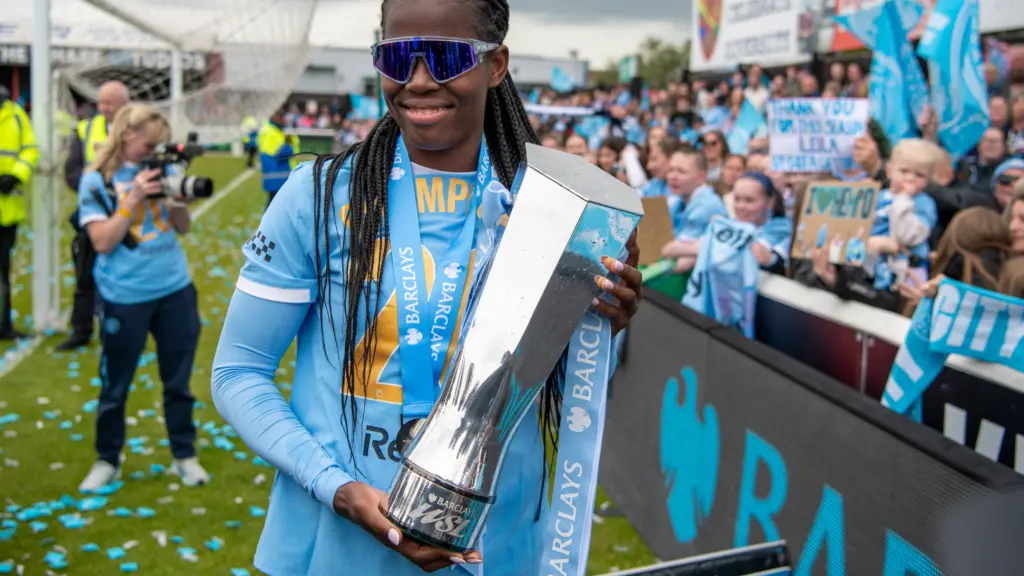
It was one of the biggest stories of the closing weeks of the 2025/26 Women's Super League season. Manchester City star Bunny Shaw was approaching the end of her contract, and it was only natural that other clubs would be interested in signing the Jamaican striker.
The interest was hardly surprising. With 21 goals and four assists, Shaw finished as the league’s top scorer and played a crucial role in City’s title-winning campaign. It was clear to everyone that having a player of her calibre can transform a team. Chelsea, who lost the league title after six years of dominance and remain desperate to finally win the UEFA Women’s Champions League, were reportedly willing to offer record-breaking sums to secure her signature. City supporters called on the club to give Shaw whatever she wanted, if it meant seeing her continue in sky blue for another season.
That is exactly what happened.
During the club’s title celebrations, Shaw announced that Manchester was home and that she would not be leaving. Not only did she sign a new contract, but she also deservedly became one of the highest-paid footballers in the world.
It’s Not Just About Bunny Shaw
Just a few years ago, the WSL was a league where many players combined football with full-time employment, a reality that unfortunately still exists in several European leagues today. Professionalisation progressed slowly. Today, however, the WSL operates with a mandatory salary floor, ensuring that all players over the age of 23 are employed as full-time professionals.
The arrival of major investment, growing attendances, new broadcast deals and increased sponsor interest has transformed the economic reality of women’s football. Not for everyone at the same pace, but significantly enough for figures that would have seemed unimaginable only a few years ago to become part of the conversation.
The debate surrounding Shaw was never just about goals. It was about value. Manchester City are not simply paying for a striker who consistently scores more than twenty goals a season. They are investing in the face of a project, one of the league’s most recognisable players and a personality who helps define the club’s identity. Shaw has become an icon of Manchester City in much the same way that Erling Haaland has for the men’s team. Shirts bearing her name sell, supporters identify with her, and her presence carries value far beyond the ninety minutes on the pitch.
This represents one of the most significant shifts in modern women’s football. Players are no longer judged solely on statistics. Clubs increasingly consider their commercial impact, influence within fan communities and ability to attract media attention. Once a footballer becomes a symbol of an entire organisation, their value begins to extend beyond performances alone.
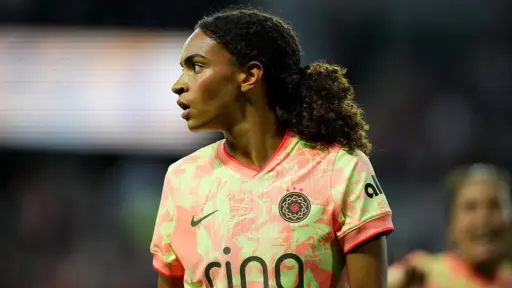
Salaries are evolving accordingly. A similar development can be seen in the NWSL, where Washington Spirit recently rewarded star player Trinity Rodman with a record-breaking contract of her own. And they knew why her.
What Does This Tell Us About the Future?
It is easy to look at seven-figure contracts and view them as proof that women’s football has finally caught up with the wider sporting world. The reality is more complicated. The gap between leagues and clubs remains enormous. While the biggest teams in the WSL can now offer conditions comparable to those found at the elite level of global sport, many players across Europe are still facing basic questions about financial security and career sustainability.
Yet the story of Bunny Shaw’s new contract highlights something important. It shows how the way clubs think about player value is changing. Not long ago, conversations focused on how much women’s football might one day be worth. Today, some clubs are beginning to operate as though that future is no longer hypothetical.
When the league’s best goalscorer becomes available, the question is no longer whether someone can afford to pay her. The real question is who can afford to lose her.
In This Story
The players this piece is about.


More Videos & Highlights
Watch the moments behind the story.

 Veterans and the newbies. How the latest NWSL transfers are hoping to improve their new teams
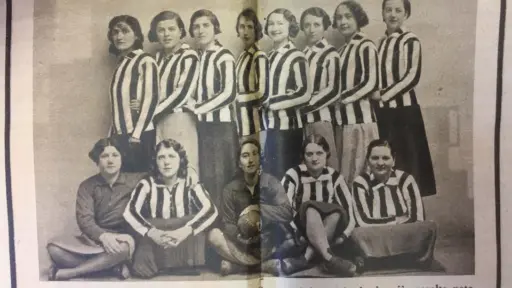 When football belonged to men only: The moving story of Italy's first female footballers
 Blessing from Alex Morgan? Melanie Bárcenas got her idol's jersey. Then she broke the record
 Beating the retirement league allegations. Can the NWSL attract top international talent?
 From Niche Collectible to Global Phenomenon: The Story of Women's Football Sticker Albums
 Real Sociedad’s commitment to growth and the growing of the women’s team
 Explained: Why Schröder's move to Real Madrid Femenino seems to be a good move?
 Explore more from The Pulse
Keep discovering more stories from women's football.