It’s important we attract the best: inside the NWSL’s groundbreaking deal that abolishes the draft
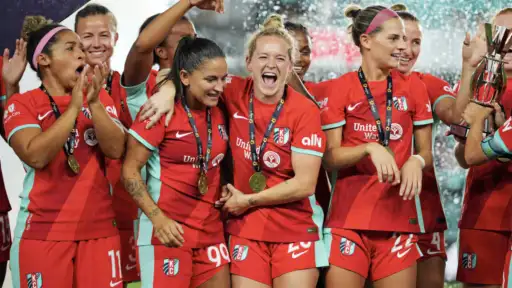
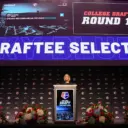
arly on Thursday, the National Women’s Soccer League announced a new Collective Bargaining Agreement (CBA) with its players’ association. Ratified almost two years ahead of schedule, it’s a landmark deal underscoring the league’s commitment to innovation and player empowerment. Key elements of the agreement include increased salary minimums and a growing salary cap, expanded healthcare options and a groundbreaking shift to a fully free agency model, making the NWSL the first US professional league to abolish the draft.
The timing of this agreement is strategic. With the CBA now extending to 2030 (the former CBA was set to expire in 2026), NWSL commissioner Jessica Berman said that the goal of this preemptive return to the negotiating table was to lay a solid foundation for long term labor stability. While only in the second year of their immediate media rights deal – already historic for its 40-fold increase – she said sights are already set on the next set of contracts due in 2027. “As we begin to think about preparing for our next media deal, we now have a long horizon for owners, sponsors, and media partners to invest in women’s soccer without fear of disruption, knowing that the players are our product,” Berman told the Guardian.
Far from dehumanizing the players, the logic is simple: by investing in your product, you tacitly invest in the business.
It’s a smart move. According to Deloitte, in 2024, global revenues for elite women’s sport will surpass $1bn for the first time, reaching as high as $1.28bn – at least 300% higher than just three years earlier.
The new CBA will roll out gradually, with all restriction on player agency notably being lifted immediately.
While drafts have historically been a cornerstone of the American sporting landscape, European leagues have long embraced a system in which players have significant control over their careers, marked by free agency models and robust transfer regulations. This framework allows players to negotiate contracts, choose their teams based on preference of location and salary, and move between clubs with relative freedom, provided they adhere to established contractual requirements.
In This Story
The players this piece is about.


More Videos & Highlights
Watch the moments behind the story.
 1 min QB Originals QB ORIGINALS | LISAN ALKEMADE: PSV Eindhoven Goalkeeper on How Mainstream Media Treat Women's Football Goalkeepers
 1 min QB Originals QB Originals | QB Break with Franny Černá | Coffee, Football & Life in Prague
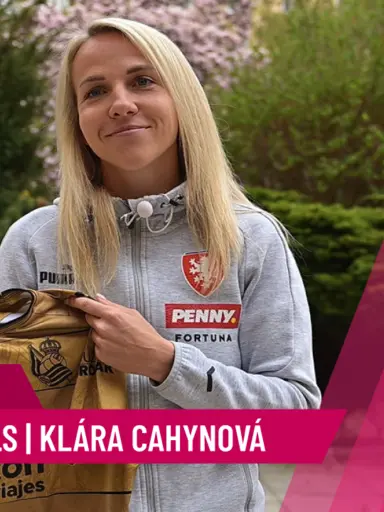 1 min QB Originals QB ORIGINALS | “We Celebrated Like We Won the World Cup” — Klára Cahynová on Beating Barcelona
 4 min Off The Pitch Focus on the pitch, relax in the paddock: These footballers are F1 enthusiasts
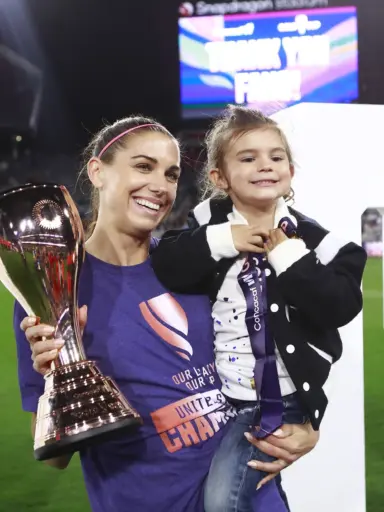 4 min Strong Story No longer a choice: Motherhood in modern women’s football
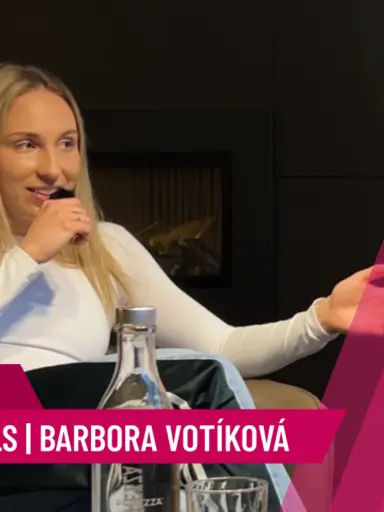 2 min QB Originals QB ORIGINALS | BÁRA VOTÍKOVÁ — First Czech Woman at Arsenal. On & Off the Pitch
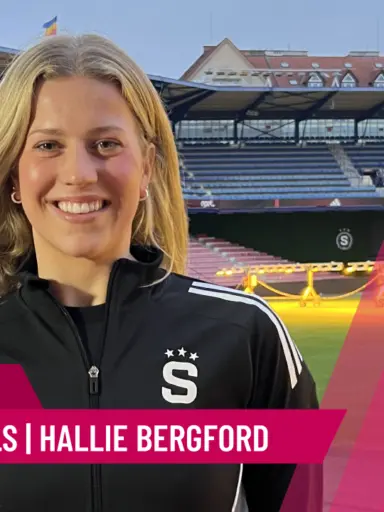 1 min QB Originals QB ORIGINALS | First Game. New Country. Hattrick. Hallie Bergford Story
 1 min The Best Actions NWSL expansion sides suffer defeats in season debuts
 1 min QB Originals QB ORIGINALS | SUE SMITH — A True Pioneer of the Women’s Game
 The Women's Africa Cup of Nations is here. Who are the Queenballer's players to watch?
 Wolfsburg's Janou Levels before the quarterfinals: We’re in good form — now we have to show it.”
 An emotional goodbye: Guro Reiten leaves Chelsea after seven years for NWSL champions
 Madelen Janogy’s future remains purple after signing new Fiorentina deal
 GIVEAWAY: Win VIP ticket for the Europa Cup game with Queenballers!
 Historic Moment: London City Lionesses to Play Before First Sell-Out Crowd
 The New Marta? OL Lyonnes Sign Promising Brazilian Talent
 Explore more from The Pulse
Keep discovering more stories from women's football.